Plenary speakers
| Name / affiliation | Topic | Title / Short biography |
|---|---|---|
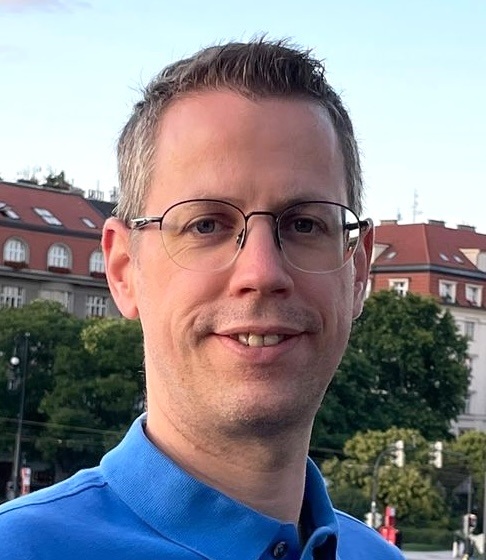 Prof. Julien Bloino
 |
|
Title
Accurate prediction of vibrational spectra: facing the problem of dimensionality and flexibility in biomolecules Short biography Julien Bloino received his chemical engineer diploma from the Ecole Nationale Supérieure de Chimie de Paris in 2005 and PhD from the University of Naples in 2008. He was a research scientist at the Italian National Research Council from 2011 to 2018. Since 2018, he is associate professor at the Scuola Normale Superiore in Pisa, Italy. His work centers on the development of methods for the accurate description of vibrational effects in spectroscopy, with the inclusion of anharmonicity and vibrational response in optical spectra, as well as their application on a wide range of molecular systems. He has been particularly interested in the prediction of chiroptical spectra and has developed the first complete formulation to predict vibrational chiroptical spectra at the anharmonic level within the vibrational perturbation theory at the second order. Over the years, his group has built strong collaborations with experimental groups in Germany, Czech Republic, Italy and France. He has authored more than 110 articles (h-index: 41) and received the Roetti and Scrocco prizes from the Italian Chemistry Society for his work on the development of new theoretical methods in the field of computational chemistry and spectroscopy. |
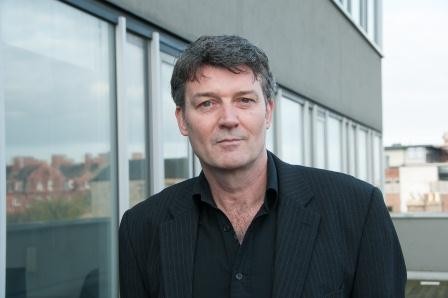 Prof. Hugh J. Byrne
 |
|
Title
Monitoring cellular processes in vitro, using vibrational spectroscopy Short biography Received his Bachelor of Arts (moderatorship) degree in Experimental Physics, from University of Dublin (Trinity College) in 1985. Received his PhD in Experimental Physics, from University of Dublin (Trinity College), 1989 with a research thesis entitled "On the Origins and Nature of the Nonlinear Optical Properties of Organic One Dimensional Polymers", supervised by Prof. Werner Blau. Held a postdoctoral research fellowship in Physics Department, Trinity College Dublin from October 1989-April 1991. Research Scientist at the Max-Planck-Institut für Festkörperforschung, Stuttgart, from April 1991-July 1995, funded in part by a Marie-Curie Fellowship. Visiting Research Scientist at the National Institute of Materials and Chemistry Research, Tsukuba, Japan, October 1995-January 1996. Appointed to staff of Dublin Institute of Technology in January 1996, as lecturer in the School of Physics. Seconded as manager and Head of the FOCAS Research Institute at DIT in 2000. Awarded Honorary Professorship of DIT (internationally reviewed), December 2008. Appointed Lead of TU Dublin Physical to Life Sciences Research Hub in May 2023. |
 Prof. Aitziber Cortajarena
CIC biomaGUNE, Donostia-San Sebastián, Spain |
Title
Engineered Protein–Nanomaterial Hybrids for Biosensing and Theranostic Platforms Short biography Prof. Aitziber Cortajarena earned her Ph.D. in Biochemistry from the Universidad del País Vasco in 2002. Then, she worked on protein design in the group of Dr. Lynne Regan at Yale University, USA, as a Postdoctoral Fellow and Associate Research Scientist. She joined IMDEA Nanociencia in 2010 and started her independent research in nanobiotechnology. In 2016, she joined CIC biomaGUNE as Ikerbasque Research Professor. Currently, she leads the Biomolecular Nanotechnology group and is Scientific Director at CIC biomaGUNE since 2022. Her research focuses on protein engineering toward the generation of functional nanostructures and bioinspired materials for applications in biotechnology and biomedicine. |
|
 Prof. Rui Fausto
University of Coimbra, Portugal; IKU-SPECTRA Istanbul Kültür University, Turkey |
Title
Tunnelling-Driven Chemistry: From Conformational Changes to Optically-Controlled Tunnelling-Based Molecular Switches Short biography Rui Fausto is Professor and the Coordinator of the Computational Chemistry, Spectroscopy and Thermodynamics research group at the University of Coimbra (Portugal), and Professor and the ERA-Chair holder of the Spectroscopy@IKU: Manipulating and Characterizing Molecular. Architectures: From Isolated Molecules to Molecular Crystals at the Istanbul Kultur University (Türkiye). He is the President of the Steering Committee of EUCMOS, the Editor-in-Chief of Photochemistry and Spectroscopy (SciLight, Australia) and a member of the editorial boards of several scientific journals. Rui Fausto has published or edited nearly 50 scientific books and is author of over 500 research articles mostly focusing the photochemistry of organic molecules and of matrix-isolated reactive intermediates. He is one of the pioneers in using vibrational excitation to induce chemical reactivity in organic molecules under matrix-isolation conditions, and has also an extensive and influential work on the photochemistry of reactive intermediates and quantum mechanical tunnelling. Besides science, his interests also extend to music, painting, and human rights advocacy. |
|
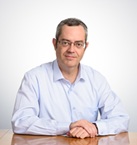 Prof. Dror Fixler
Tel-Aviv University, Israel |
Title
Solving the Inverse Problem in Biophotonics: From Diffuse Light to Intrinsic Tissue Parameters Short biography Dror has a multidisciplinary academic background in physics, life sciences, and engineering, with specialized training and expertise in electro-optics and nano photonics. His research encompasses light emission, transmission, detection, and sensing for biomedical applications. He focuses on developing advanced technologies for time-resolved fluorescence experiments, medical diagnostics, and light–tissue interaction studies. He has authored over 160 scientific papers, contributed to several book chapters, and holds more than 15 issued patents. His work has been recognized with multiple international awards, and he has actively organized and presented at numerous international conferences. |
|
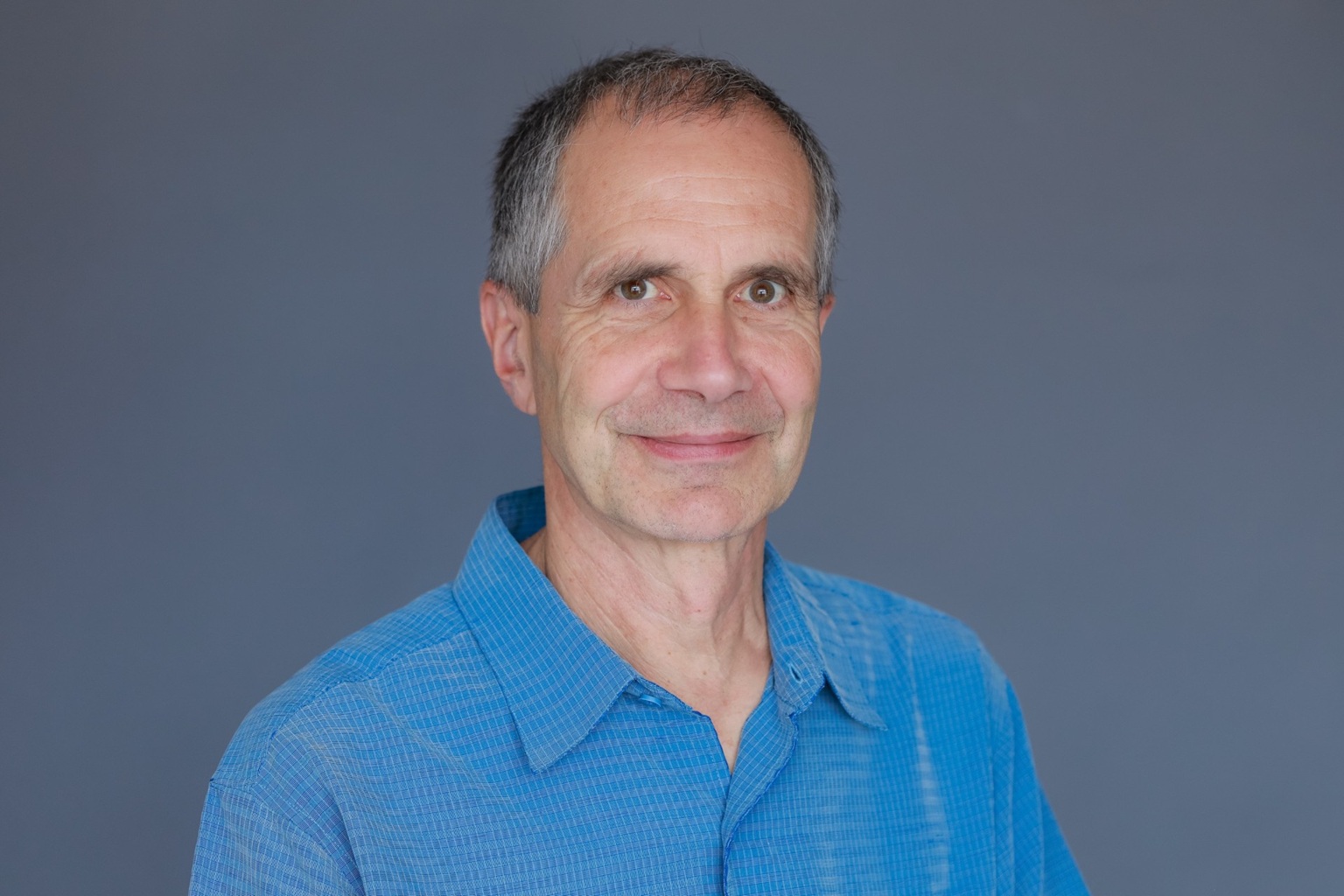 Dr. Wolfgang Fritzsche
Leibniz Institute of Photonic Technology, Jena, Germany |
Title
Multiplexed biosensing using plasmonic nanoparticles Short biography Dr. Wolfgang Fritzsche’s work is focused on the utilization of nanoplasmonic effects for bioanalytical applications. Based on a long experience in the development of nanoparticle-based approaches for molecular detection with special focus on DNA, methods are developed that allow for a sensitive, label-free and multiplexed detection. This work is complemented with interest into novel effects in the interaction of molecular components with plasmonic nanostructures, and their use for biosensing. Besides authoring more then 180 peer reviewed publications and several invited book chapters, editing 10 books and co-authoring 2 monographs (h-factor 51), Dr. Fritzsche has been/is steering and coordinating many national and international projects, was 2016-2018 president of the German Society of Cytometry, and is organizing a series of alternating biennial international meetings in Molecular Plasmonics as well as DNA Nanotechnology. |
|
 Prof. David Perez-Guaita
University of Valencia, Spain |
Title
From Spectra to Usable Biochemical Information: Data Fusion and Data Augmentation Strategies for More Explainable Machine Learning Short biography David Pérez-Guaita is a researcher in analytical chemistry specializing in chemometrics and machine learning for the analysis of spectroscopic data and the extraction of biochemical information from complex systems. He has developed an international research career through positions in France, Germany, and Australia (Monash University), where he established his independent line in vibrational spectroscopy and data-driven analysis, followed by a Marie Skłodowska-Curie Fellowship at Technological University Dublin and a Ramón y Cajal contract at the University of Valencia, where he is currently based and will become Associate Professor in 2026. He leads the Spec-ML group, focused on data fusion, data augmentation, and machine learning applied to spectroscopic diagnostics. His work combines methodological developments and biomedical applications in vibrational spectroscopy, supported by competitive international funding and around 100 peer-reviewed publications, as well as editorial roles in Spectrochimica Acta Part A and the Microchemical Journal, and recognition through the ICAVS Young Scientist Award. |
|
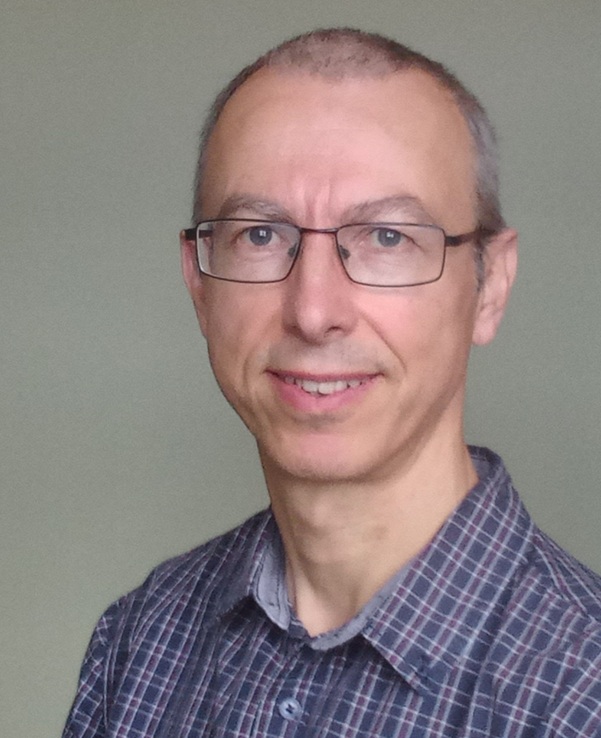 Prof. Ioan Notingher
University of Nottingham, UK |
Title
Raman spectroscopy techniques for intra-operative diagnosis in cancer surgery Short biography Ioan graduated the Faculty of Physics at Babeş-Bolyai University (Cluj-Napoca, Romania), PhD at London South Bank University (Photophysics Research Group), followed by postdoctoral research at Imperial College London and Edinburgh University. He started his academic career as a lecturer in 2006 at the University of Nottingham where he established the Biophotonics Group. He was appointed full professor in 2015. His research focuses on optical microscopy and spectroscopy techniques for label-free molecular imaging of biomaterials, cells and tissues. Ioan has developed novel selective-sampling Raman spectroscopy techniques to allows fast scanning of tissue specimens, allowing diagnosis of cancer during surgery. Recently he has dedicated his work on translating Raman spectroscopy to the clinic. In 2024 he has completed the first clinical tests for Fast Raman technology for assessing surgical margins skin cancers. He is currently extending this work for intra-operative assessment of sentinel lymph node and surgical margins in breast cancer surgery, paving the way for broader implementation of the technology into healthcare. |
Invited speakers
| Name / affiliation | Topic | Title / Short biography |
|---|---|---|
 Prof. Małgorzata Barańska
Jagiellonian University, Kraków, Poland |
Title
Spectroscopic Imaging of Cells from Analytical and Physical Chemistry Perspectives Short biography Professor Małgorzata Barańska is a graduate (1992) and doctor of the Jagiellonian University (1999), where she also obtained her habilitation (2007) and the title of full professor (2013). Since 1998, she has been employed at the Faculty of Chemistry of the Jagiellonian University, where she is the Head of Raman Imaging Group. She is the Head of the Department of Chemical Physics. She also conducts research at the Jagiellonian Centre for Experimental Therapeutics (JCET), in the creation and development of which she has been involved since 2009. Professor Baranska heads one of three research groups there, the Raman Spectroscopy Group. The current direction of my research is related to lifestyle diseases, their development and methods of treatment, as well as the mechanism of action of drugs. Vibrational spectroscopy, including nonlinear optical techniques of Raman imaging (SRS, CARS), combined with AFM, SNOM, fluorescence microscopy and biochemical tests, are used to track biochemical changes in cells and tissues. Moreover, she studies the optical activity of biologically important compounds using chiraloptic techniques (ROA, ECD), including the mechanism of Raman signal amplification. |
|
 Prof. Andreas Barth
Stockholm University, Sweden |
Title
The Effect of Site-Specific 13C-Labeling on the Infrared Spectrum of Beta-Sheets Short biography Andreas Barth has been active in research in Germany, Great Britain, and Sweden, becoming Associate Professor at Stockholm University in 2002 and Full Professor in 2006. Over the past three decades, he has actively developed and applied biological infrared spectroscopy. His current research focuses on aggregates of the amyloid-β peptide, which are implicated in Alzheimer's disease. He investigates these aggregates using a combination of isotope-edited, experimental and computational infrared spectroscopy, both in bulk solution and on the nanoscale. |
|
 Dr. Dana Cialla-May
Leibniz Institute of Photonic Technology, Jena, Germany |
Title
Surface-enhanced Raman spectroscopy (SERS) sensing in complex biomatrices - drug monitoring and biomarker detection Short biography Dana Cialla-May studied Chemistry at Friedrich-Schiller University, Jena Germany. She performed her PhD studies within the research group of Juergen Popp within the field of surface- and tip-enhanced Raman spectroscopy. After the defense of her PhD thesis in 2010, she became a group leader at Leibniz Institute of Photonic Technology, Jena, Germany in 2011. Her research interest lies within the fabrication of SERS-active nanostructures and their application of biomedical, biochemical and environmental research tasks. |
|
 Prof. Luciano De Sio Prof. Luciano De Sio Sapienza University of Rome, Italy |
Title
Drug-free medical treatments enabled by plasmonic photothermal therapy Short biography Luciano De Sio is an Associate Professor of Medical Physics at Sapienza University of Rome, Italy. He leads a young and motivated research group that operates at the intersection of biotechnology, liquid crystals, nanotechnology, optics, and biophotonics. His research focuses on designing and developing innovative nanostructured systems for biomedical applications, with particular emphasis on light-matter interactions and photo-responsive materials. A major aspect of his work involves creating next-generation diagnostic and therapeutic tools, such as lab-on-chip biosensors for early disease detection and plasmonic photothermal methods for targeted, drug-free treatments. His group also investigates hybrid systems that combine soft matter and nanomaterials to achieve high sensitivity, selectivity, and dynamic functionality in complex biological environments. |
|
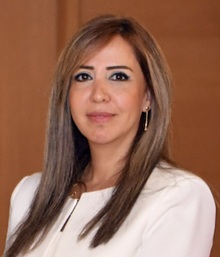 Prof. Gulce Ogruc Ildiz Prof. Gulce Ogruc Ildiz
Istanbul Kultur University (IKU), Turkey; Chemistry Research Centre of the University of Coimbra, Portugal |
Title
Molecular Fingerprints of Psychiatric Disorders: Infrared and Raman Spectroscopy as Holistic Biomarkers Short biography Gulce Ogruc Ildiz is Professor at the Physics Department and Vice-Rector of the Istanbul Kultur University (IKU), Turkey, and a member of the Chemistry Research Centre of the University of Coimbra, Portugal. She is the director of IKU-SPECTRA Molecular Sciences and Spectroscopy Applied Research Center and Project Coordinator of EU WIDERA ERA-Chair Spectroscopy@IKU: Manipulating and Characterizing Molecular Architectures: from Isolated Molecules to Molecular Crystals. Her research focuses mainly on applications of IR and Raman spectroscopies (including low-temperature matrix-isolation spectroscopy) and computational methods to biologically relevant problems and in materials science. Along her career, she has been involved in a significant number of national and international research projects, being the principal investigator of many of these. She has been publishing regularly in high-impact scientific journals and serve as an editor of Journal of Molecular Structure (Elsevier). |
|
 Dr. Sivashankar Krishnamoorthy Dr. Sivashankar Krishnamoorthy
Luxembourg Institute of Science and Technology, Luxembourg |
Title
Engineering Nanoscale Interfaces Toward Predictive Bioanalytics Short biography Dr. Sivashankar Krishnamoorthy has over two decades of international experience in research and technology organizations across Asia and Europe, where he has led multidisciplinary teams at the intersection of nanotechnology, surface science, nanospectroscopy, and biointerfaces. He holds a doctoral degree in microtechnology and microelectronics from CSEM and EPFL. His research has included work on nanocrystal flash memories, light emitting diodes, and molecular sensors. His current work focuses on understanding and engineering nanoscale interfaces that couple physical and biological phenomena, combining advanced materials, high resolution patterning, interfacial characterization, and surface sensitive transduction to study how geometry, material properties, and transport processes govern molecular binding and cellular responses at interfaces. A central theme in his approach is the development of a mechanistic understanding of interfacial phenomena beyond empirical optimization, alongside a sustained attention to the requirements of scalability and manufacturability. Beyond research, he contributes through editorial and scientific committee roles, ethics responsibilities, mentorship, and strategic leadership in science and innovation. |
|
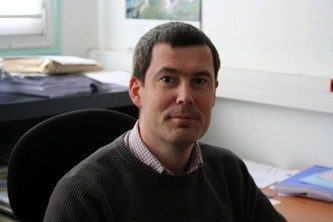 Prof. Marc Lamy de la Chapelle Prof. Marc Lamy de la Chapelle
Institut des Molécules et Matériaux du Mans, Université du Mans, Le Mans, France |
Title
Detection and monitoring of the DNA hybridisation by SERS Short biography Engineer from the Polytechnical school of the University of Nantes, Material sciences specialty (1996), he got his PhD in science physics in 1998 at the University of Nantes on the study of carbon nanotubes by Raman spectroscopy. After two post-doctoral position at the Office National d'Etude et de Recherche en Aéronautique (ONERA) in Paris (Optimisation of the synthesis method of carbon nanotubes by laser ablation, 1998-2000) and at the physics department of the Tsinghua University in Beijing (China) on the study of nanostructures by Raman spectroscopy (2000-2001), he got a position of associate professor at the Université de technologie de Troyes (UTT) in 2001. His research activities were focused on nanooptics (Optical properties of metallic nanoparticles (surface plasmon), near-field optics…) and Raman spectroscopy. He notably worked on Surface Enhanced Raman Scattering (SERS) (effect of the plasmon resonance on the enhancement, enhancement optimisation). From nov. 2007 to aug. 2017, he was professor at the Paris 13 University. His research activities are focused on nano-optics and Raman spectroscopy. He develops SERS sensors to detect pollutants or to study biological media (disease diagnosis, study of the biomolecule structure...). He joined Le Mans University in sept. 2017 to develop some research activities in plasmonics, SERS and sensors. He was involved in several research projects at the national and international level as partner or coordinator. He was notably the coordinator of the Nanoantenna European project including 12 partners on the development of a nanobiosensor from 2009 to 2013. He also coordinates one international project in China for the development of biosensor for the diagnosis of the pancreatic cancer combining the THz and SERS detection methods. He coordinates the Bioplasmonics project based on the exploitation of plasmonics for biological issues at the University of Babes-Bolyai (Cluj, Napoca, Romania). He was also director of the CNRS national research network on the Molecular Plasmonics and Enhanced Spectroscopies from 2011 to 2018. He has been awarded Etoile de l’Europe (Star of Europe) in 2013 by the French ministry of Research and Higher Education for his coordination of the European project Nanoantenna (FP7-Health-241818). |
|
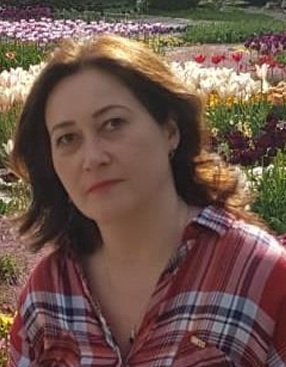 Dr. Dana Alina Magdaş
National Institute for Research and Development of Isotopic and Molecular Technologies, Cluj-Napoca, Romania |
Title
Multi-Analytical Approaches Coupled to Advanced Data Processing Tools for Spices and Herbs Authentication Short biography Dana-Alina MAGDAS, PhD, Habil., Leading Researcher (R4) serves as the Scientific Director of the National Institute for Research and Development of Isotopic and Molecular Technologies, Cluj-Napoca, Romania. She is also affiliated with the Doctoral School of Physics at Babes-Bolyai University, Romania. Her research activity focuses on the development of advanced approches for food and beverage recognition based on the association between either mass spectrometry (MS) techniques (Isotope Ratio MS, Inductively Coupled Plasma MS) or spectroscopies (IR, Raman, fluorescence, NMR) in conjunction to advanced data processing strategies, like chemometrics and artificial intelligence. As part of her research, she was among the pioneers in highlighting the potential of some emerging contaminants, represented by REEs, as geographical tracers for different food commodities; since then, she has closely investigated the correlation of REEs with the geographical origin of food and beverages, as well as their transfer potential from extraction to processing and disposal, impacting the environment and subsequently the whole food chain. |
|
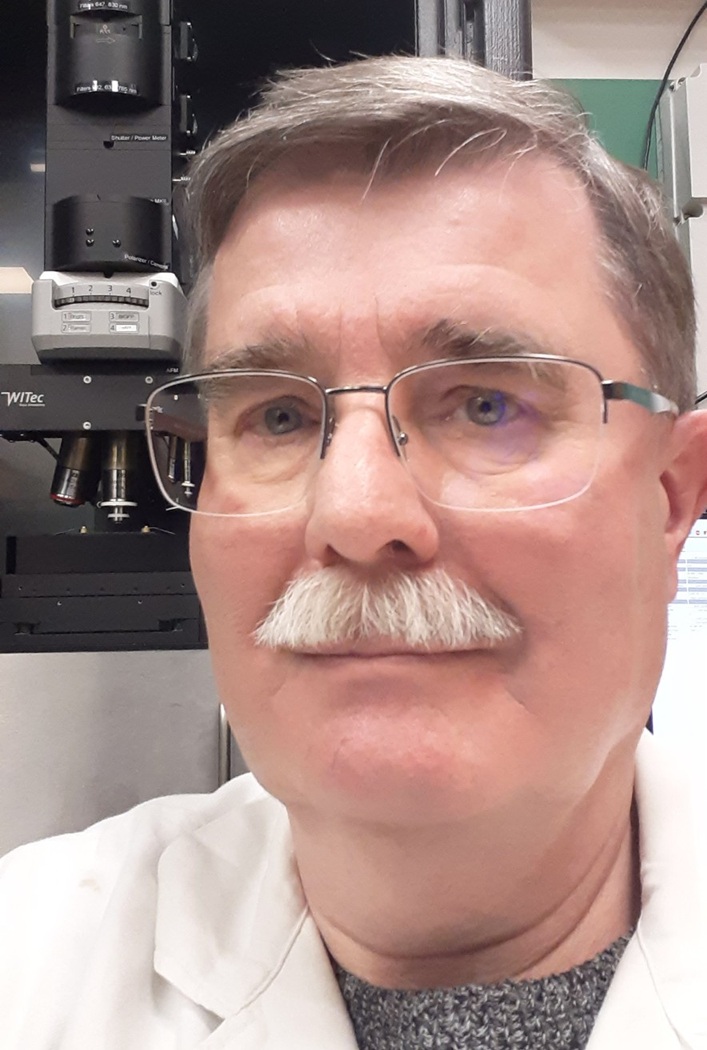 Prof. Peter Mojzeš
Faculty of Mathematics and Physics, Charles University, Prague, Czech Republic |
Title
Raman Microscopy of Crystalline Inclusions in Microalgae Short biography Peter Mojzeš works as an associate professor at the Faculty of Mathematics and Physics, Charles University, Prague, from which he graduated 40 years ago. After completing his doctoral studies at the same faculty, he conducted postdoctoral research at Pierre and Marie Curie University in Paris, in the group of Prof. Pierre-Yves Turpin, where he focused on Raman spectroscopy of nucleic acids. His further scientific career relates to teaching at Charles University, during which he completed several internships abroad, especially at the Curie Institute in France, the Rutherford Appleton Laboratory in Great Britain, the Forschungszentrum Jülich in Germany, and the Institute for Molecular Sciences in Japan. He has been involved in Raman spectroscopy of biomolecules, especially nucleic acids and porphyrins, for a long time. In the past, he also focused on developing new substrates for surface-enhanced Raman scattering, collaborating in this area with Prof. Blanka Vlčková from the Faculty of Science, Charles University. Over the last 20 years, Peter Mojzeš has mainly been engaged in Raman microscopy of microorganisms and biological tissues, especially the identification of the chemical composition of crystalline inclusions. His research in this area has brought new insights into the formation of purine crystals in various protists, especially in unicellular photosynthetic eukaryotes. He is a co-author of more than 100 publications. More information about his research activities can be found on https://orcid.org/0000-0002-9952-6939. |
|
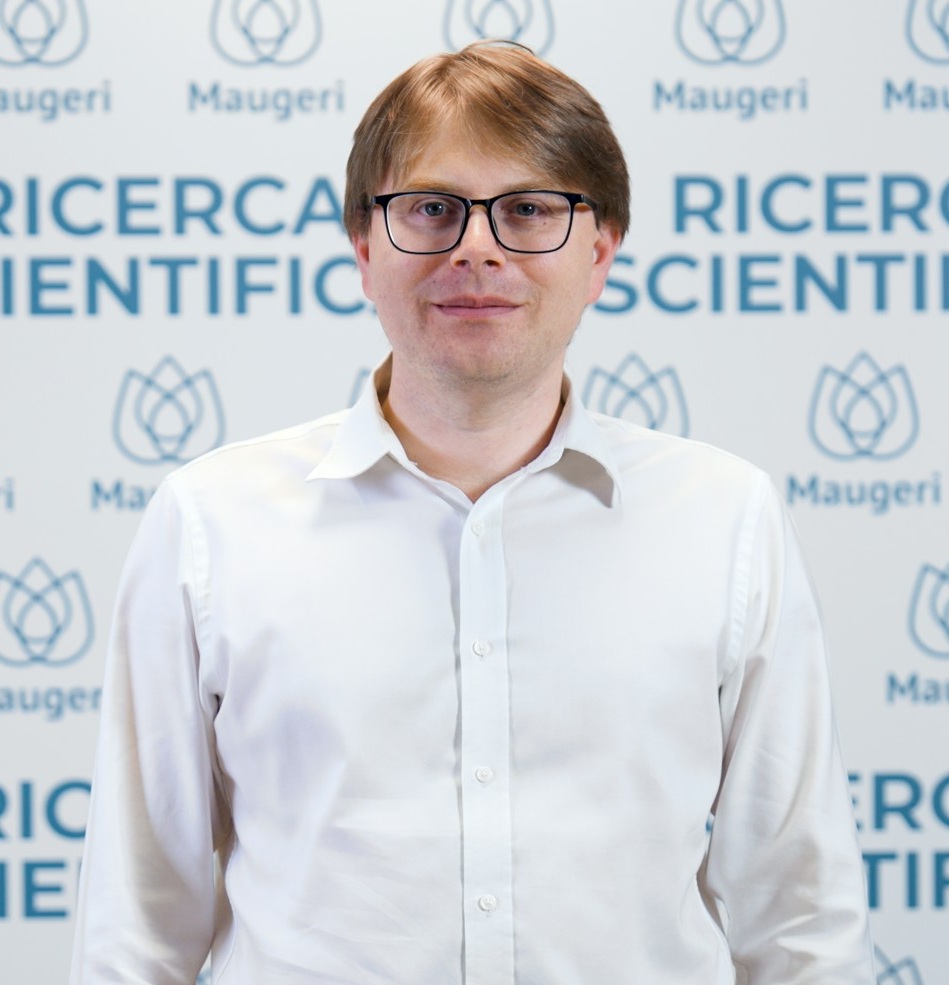 Dr. Carlo Morasso
Istituti Clinici Scientifici Maugeri IRCCS, Pavia, Italy |
Title
Exploring the circulating Nanoworld with Raman Spectroscopy Short biography Carlo Francesco Morasso, PhD is the Head of the Laboratory of Nanomedicine and Molecular Imaging at IRCCS Istituti Clinici Scientifici Maugeri (Pavia, Italy). His research focuses on the development of label-free and ultrasensitive optical approaches for biomedical applications, combining Raman spectroscopy, hyperspectral imaging, and single-molecule immunoassays (SiMoA) for the characterization of biological nanoparticles and liquid biopsy biomarkers. He has extensive experience in translational biophotonics, with particular emphasis on extracellular vesicles, lipoproteins, and tissue analysis in cancer. He is currently coordinator of the EIC Pathfinder project Spectra-BREAST ( https://spectrabreast.eu/ ), aimed at developing a multimodal optical platform for real-time intraoperative margin assessment in breast-conserving surgery. Dr. Morasso has led and contributed to several national and international projects in nanomedicine and biosensing, and his work bridges spectroscopy and clinical application toward next-generation diagnostic strategies. |
|
 Prof. Nordin Félidj
 Universite Paris Diderot, Sorbonne Paris Citee, ITODYS, UMR 7086,CNRS, Paris, France |
Title
Engineering Plasmonic Metasurfaces for Enhanced Molecular Sensing Short biography Nordin Félidj a full Prof. at ITODYS lab. He is specialized in plasmonics. He earned his PhD in Laser and Matter (UPMC, 1997), followed by a postdoc at University of Graz (Austria). His research focuses on molecular plasmonics, surface-enhanced Raman scattering, and plasmon-induced chemical reactions. During his career, he supervised over 25 PhD students and 12 postdocs. He directs the GDR Plasmonique Active (CNRS 2090) in France, and is the director of the Master Chemistry and Science of materials at Université Paris Cité. |
|
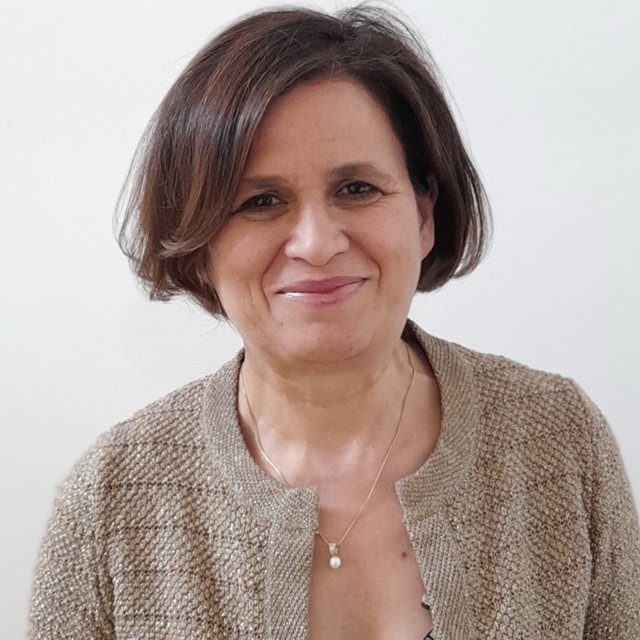 Prof. Anna Piperno
Dipartimento Scienze Chimiche, Biologiche, Farmaceutiche ed Ambientali, Università degli Studi di Messina, Italy |
Title
Mapping the Invisible: Molecular Spectroscopy of Nanoarchitectonic Biomaterials in Living Cells Short biography Prof. Anna Piperno graduated in Pharmaceutical Chemistry and Technology in 1994 and obtained her PhD in Pharmaceutical Sciences in 1999 from the University of Messina. In 2001, she obtained a permanent academic position at the same institution where she is currently a Full Professor of Organic Chemistry and Head of the Organic Synthesis and Biomaterials Laboratory (SYMAT Labs). She began the research activity working on the design and synthesis of new carbo- heterocyclic compounds that interfere with viral replication or with cell death/proliferation. Successively, her research interests have been extended to the development of multifunctional materials based on biopolymers, plasmonic nanoparticles, magnetic nanoparticles and graphene for applications in nanomedicine. She has active collaborations with pharmaceutical industries for the fulfilment of projects in the field of drug delivery and liquid biopsy. Current research projects focus on the development of nanosystems for bioimaging and phototherapy; magneto-responsive nanoarchitectonic materials for diagnosis, imaging, and cancer therapy; and antimicrobial platforms based on cyclodextrins and metal nanoparticles targeting antibiotic-resistant bacteria. |
|
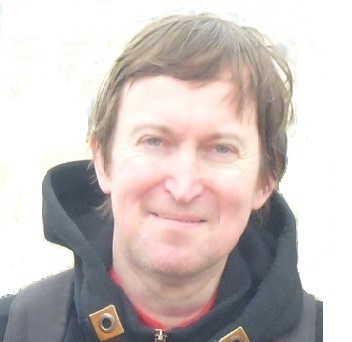 Prof. Marek Procházka
Charles University, Faculty of Mathematics and Physics, Institute of Physics, Prague, Czech Republic |
Title
Next Generation of Non-Plasmonic and Hybrid Plasmonic/Non-Plasmonic Materials for SERS Short biography Prof. Marek Procházka received his Ph.D. in biophysics from the Faculty of Mathematics and Physics at Charles University in Prague (Czech Republic) and from Pierre and Marie Curie University in Paris (France) in 1997. He conducted postdoctoral research at Pierre and Marie Curie University in Paris from 2001 to 2002 as a Marie Curie Individual Fellow. Since 1997, he has worked at the Institute of Physics, Faculty of Mathematics and Physics, Charles University, Prague, where he was appointed full professor in 2019. His awards include the Bolzano Prize (1997), the Spectroscopic Society JMM Award for Young Investigators (1999), and the Young Investigator Award from the Selection Committee of the 17th ICORS (Beijing, China, 2000). His research focuses on advanced Raman spectroscopy techniques, including surface-enhanced Raman scattering (SERS) and drop-coating deposition Raman scattering (DCDRS) spectroscopies. He also specialises in vibrational spectroscopy of biomolecules and biologically relevant molecules and in the development of new plasmonic and non-plasmonic materials for SERS. He is the author or co-author of over 90 papers and the author of the monograph Surface-Enhanced Raman Spectroscopy: Bioanalytical, Biomolecular and Medical Applications (Springer, 2016) and co-editor of the book Surface-Enhanced and Tip-Enhanced Raman Scattering Spectroscopy: Bridging Theory and Applications (Springer, 2024) |
|
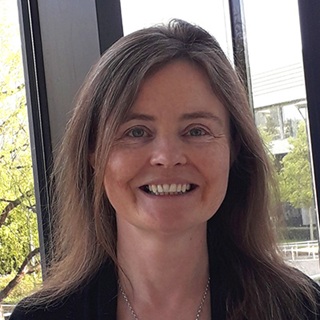 Prof. Susan Quinn
University College Dublin, Ireland |
Title
Development and Application of Excited-State Infrared Probes based on DNA Binding Transition Metal Complexes Short biography Prof. Susan Quinn obtained graduated with a B.Sc. Hons in Chemistry from University College Dublin in 1997. She then completed her PhD studies on the topic of DNA Programmed Assembly of Heterosupermolecules under the supervision of Prof. Donald Fitzmaurice at University College Dublin. In 2002 Susan started her Postdoctoral studies with Profs. John M. Kelly and Thorfinnur Gunnlaugsson in Trinity College Dublin. After this time, she took a position as postgraduate course coordinator in the School of Chemistry in TCD, (2006-9) responsible for development and implementation of Dublin Chemistry Graduate programme. In September 2009 Susan returned to a more research driven path when she joined the School of Chemistry in University College Dublin and became a tenured member of staff in 2012 and was promoted to Senior Lecturer/Associate Professor in October 2017. The broad research of the group is directed to examine ways to monitor and trigger nucleic acid processes in complex systems through light activation. This involves work on DNA photostability, and the development of molecular and nanoparticle DNA probes, and nanoparticle based systems for the delivery of photoactive agents. Key to this research is the use of time-resolved vibrational spectroscopy to resolve the excited state processes and energetics. Susan together with Prof. John Kelly (TCD) and Professor Christine Cardin (Reading University), was awarded the 2016 RSC Rita and John Cornforth Medal is recognition of their structural work on DNA - transition metal complexes, proof of the origins of the "light-switch" effect and its implications for mechanisms of DNA damage DNA damage. In 2023 Susan was awarded the Institute of Chemistry of Ireland Annual Award for Chemistry (Eva Philbin Public Lecture Series) for a practising chemist, who has made a significant contribution to the advancement of chemistry and has considerably raised the profile of chemistry through both the excellence of their work and their ability to communicate in an effective and lucid manner. |
|
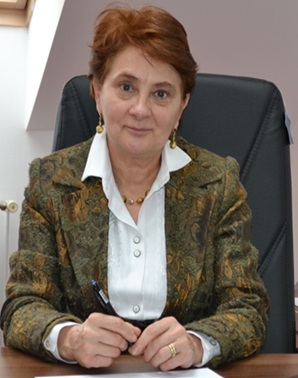 Prof. Carmen Socaciu
University of Agricultural Sciences and Veterinary Medicine (USAMV) Cluj-Napoca, Romania |
Title
Mass spectrometry - a powerful analytical tool in omics’ technology, applied in biological sciences Short biography Prof. Carmen Socaciu studied chemistry at Babeş-Bolyai University Cluj-Napoca and is an emeritus professor at the University of Agricultural Sciences and Veterinary Medicine (USAMV) Cluj-Napoca. Since more than 40 years, she was actively involved in Plant & Food Biochemistry and Biotechnology, coordinating BSc, MSc courses and being PhD supervisor of more than 45 PhD students in Biotechnology. She coordinated many International (mainly EU) and National Research projects and was honored as Doctor Honoris Causa of the University "Dunărea de Jos" Galati. She published more than 300 scientific papers in ISI-ranked journals (e.g. Hirsh index 44-WoS), coordinating more than 45 PhD students, nowadays well recognized scientists. Metabolomics represents her main research topics with impact on food, nutrition and health and contributed essentially to the creation and endowment of the Institute of Life Sciences in USAMV Cluj-Napoca. Her scientific performance was honored recently, by her nomination for the FEBS - Samuel Pecht award "for the entire activity and essential contributions in the field of molecular biosciences". Nowadays she is active by coordinating the private Biodiatech - Research Center on Applied Biotechnologies in Diagnostics and Molecular Therapies. Her main research topic is related to the Application of Mass spectrometry, as a powerful analytical tool in omics ’technology (from proteomics to metabolomics) as high-throughput techniques, coupled with UHPLC (Ultra high-performance liquid chromatography) for separation and identification of significant biomarkers in health and disease, with high impact in biomedical areas. |
|
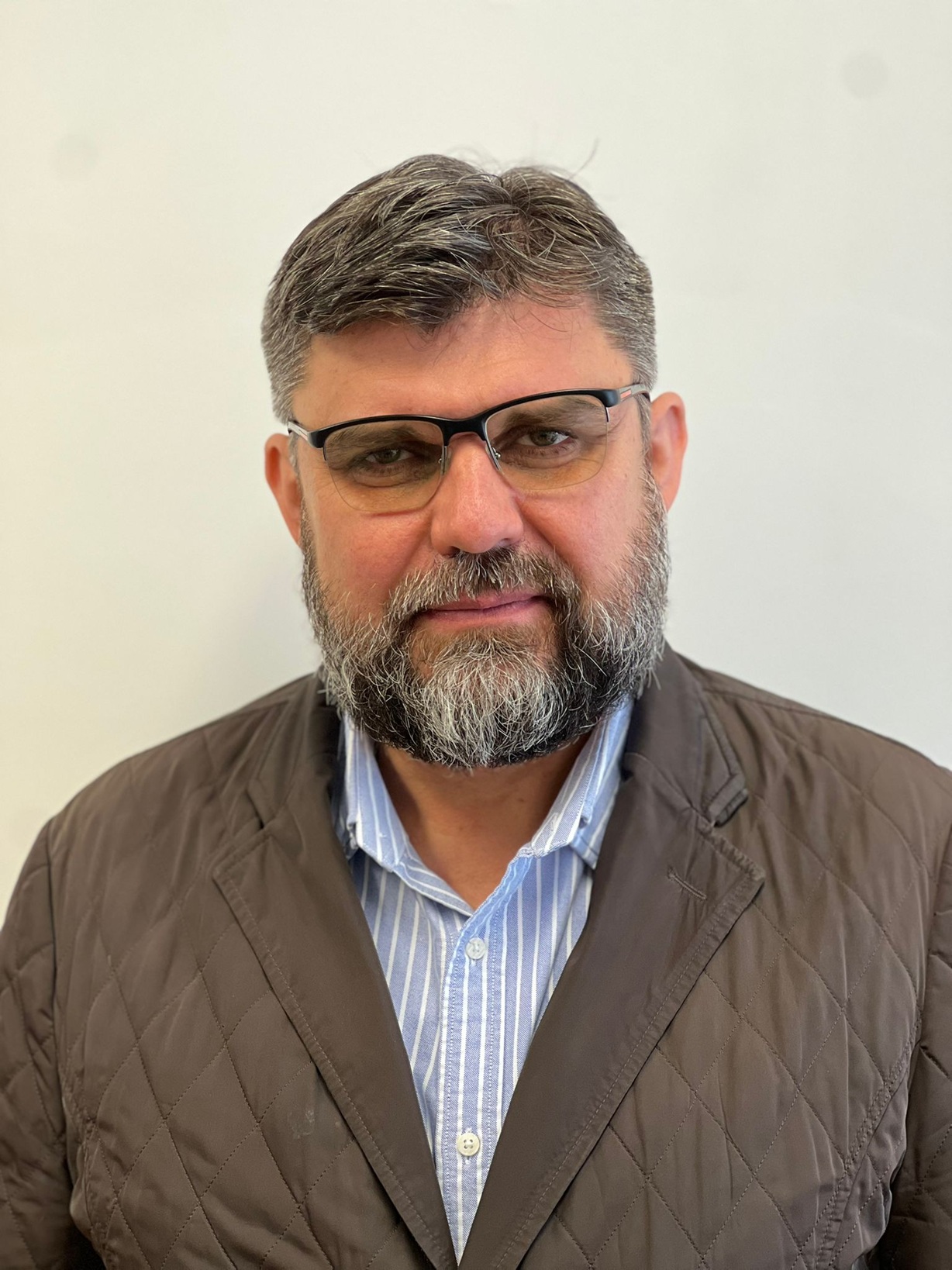 Prof. Rareş Ştiufiuc
Iuliu Hațieganu University of Medicine and Pharmacy, Cluj-Napoca, Romania |
Title
Spectroscopic Liquid Biopsy: From Cutting-Edge Science to Future Clinical Practice Short biography Prof. Dr. Rareș-Ionuț Știufiuc attended the Faculty of Physics of Babeș-Bolyai University (1998–2001), where he also completed a master’s degree in physics (2001–2002) and doctoral studies (2002–2005). His PhD research focused on nanostructured ceramics, high-temperature superconductors (HTSC), and nanostructured perovskites. During this period (2003–2004), he was awarded a doctoral scholarship at Université Paris-Sud XI, specializing in nanostructured ceramics and HTSC. Between 2005 and 2007, he undertook a postdoctoral fellowship in nanotechnology and inelastic electron transport at the Institut d'Électronique de Microélectronique et de Nanotechnologie. He subsequently worked as a scientific researcher at Babeș-Bolyai University (2007–2008), focusing on nanobiotechnologies using near-field microscopy/spectroscopy and ultrasensitive vibrational spectroscopy. Since 2023, he is the Head of Department of Pharmaceutical Physics – Biophysics at the Faculty of Pharmacy, Iuliu Hațieganu University of Medicine and Pharmacy. Since 2016, he has been actively involved in research with undergraduate and doctoral students from the Faculties of Pharmacy, Dental Medicine, and Medicine (Romanian, French, and English sections), within the MedFUTURE Institute for Biomedical Research, where he serves as Director and Mentor of the Department of Nanosciences. His main research interests include nanomedicine, ultrasensitive vibrational Raman/SERS spectroscopy, and multifunctional nanostructures for biomedical applications. Since 2017, he has been a PhD supervisor in the field of Pharmacy. In recognition of his scientific contributions, he received the Constantin Miculescu Prize from the Romanian Academy in 2018 for the body of work entitled “Multifunctional nanostructures with applications in nanomedicine.” Since 2023, he holds an ERA Chair position in nanomedicine at the Regional Institute of Oncology, where he coordinates a research group focused on nanobiotechnologies for medical applications. |
|
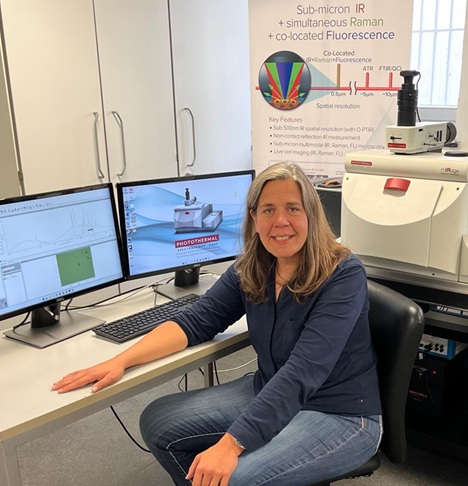 Dr. Miriam Unger
Photothermal Spectroscopy Corporation and Managing Director of PSC GmbH, Germany |
Title
Breaking the Diffraction Barrier: Submicron Infrared Imaging of Protein Misfolding and Amyloid Formation with O-PTIR Short biography Dr. Miriam Unger is Director of Applications (EMEA) at Photothermal Spectroscopy Corporation and Managing Director of PSC GmbH, Germany. She received her PhD in Physical Chemistry in 2010 from University of Duisburg-Essen. She subsequently conducted postdoctoral research at Kwansei Gakuin University, Japan, and at the Synchrotron Radiation Center, USA. Prior to her current position, she held roles as Applications Manager Europe at Anasys Instruments and as Applications and Market Development Manager at Bruker. Dr. Unger has more than 20 years of experience in infrared microscopic techniques, including nanoIR and Optical Photothermal Infrared Spectroscopy, with a focus on their application to materials and biological systems. She is the author or co-author of over 40 peer-reviewed publications and four book chapters. |
|
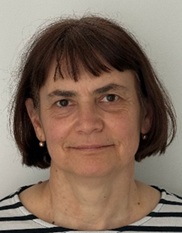 Dr. Alina Vasilescu
International Centre of Biodynamics, Bucharest, Romania |
Title
SERS as a tool for stydying enzyme inhibitors: example of aldehyde dehydrogenase Short biography Dr. Alina Vasilescu obtained a PhD in Chemistry in 2001 from University of Bucharest, Romania and University of Perpignan, France (joint thesis). She pursued postdoctoral studies at University of Toronto, Canada and she worked in Canada in analytical research in the pharmaceutical industry. In 2011 she obtained a Marie Curie International Reintegration grant and returned to Romania, at the International Centre of Biodynamics, where she currently works. Her research activities are centered on the development of analytical methods based on biosensors, for food quality and environmental monitoring, the detection of biomarkers and the study of proteins. |